

By October, an HOA landscape has had an entire growing season to show where it is thriving, where it is struggling, and where attention is needed before winter arrives.
For property managers and community boards, this makes October one of the most valuable planning months of the year. Turf damage is easier to identify. Overgrown plant material becomes more obvious. Drainage problems have had a full season to reveal themselves, and trees, shrubs, walkways, entrances, and common areas can all be evaluated before snow and freezing temperatures limit what can be addressed.
This is also the point in the year when landscape decisions begin to intersect with winter preparation, next year’s operating budget, and longer-term capital improvements.
For an HOA, fall landscape planning is not simply about cleanup. It is about protecting property value, managing future costs, reducing avoidable winter damage, and entering the next growing season with a clear plan.
October Offers the Clearest View of the Property
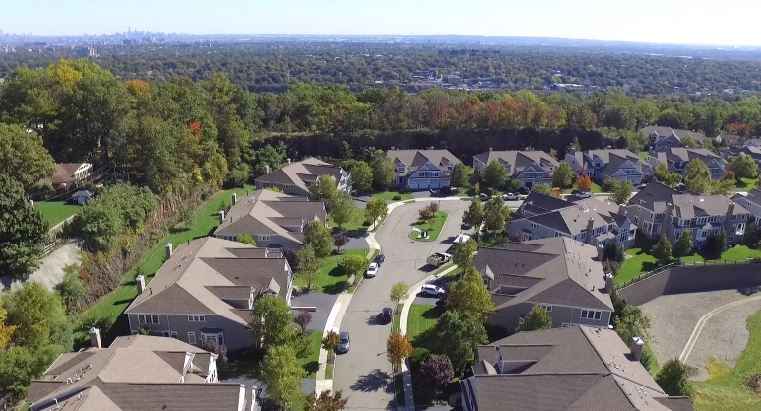
One of the greatest advantages of evaluating a community landscape in October is perspective.
Throughout spring and summer, the landscape is constantly changing. Turf is growing, shrubs are filling out, annuals are in bloom, irrigation is active, and maintenance crews are addressing seasonal needs week after week.
By October, the full picture becomes easier to see.
Boards and property managers can assess which lawn areas held up well and which did not. They can identify plant material that has become overgrown, beds that appear tired or outdated, trees that may require attention, and areas where drainage, traffic, shade, or soil conditions continue to create recurring problems.
This is the right time to step away from the routine maintenance calendar and ask a broader question:
What did this landscape teach us this year?
That answer can guide smarter decisions for the months ahead and help establish priorities for HOA landscape planning.
Finish Important Turf Work Before Winter
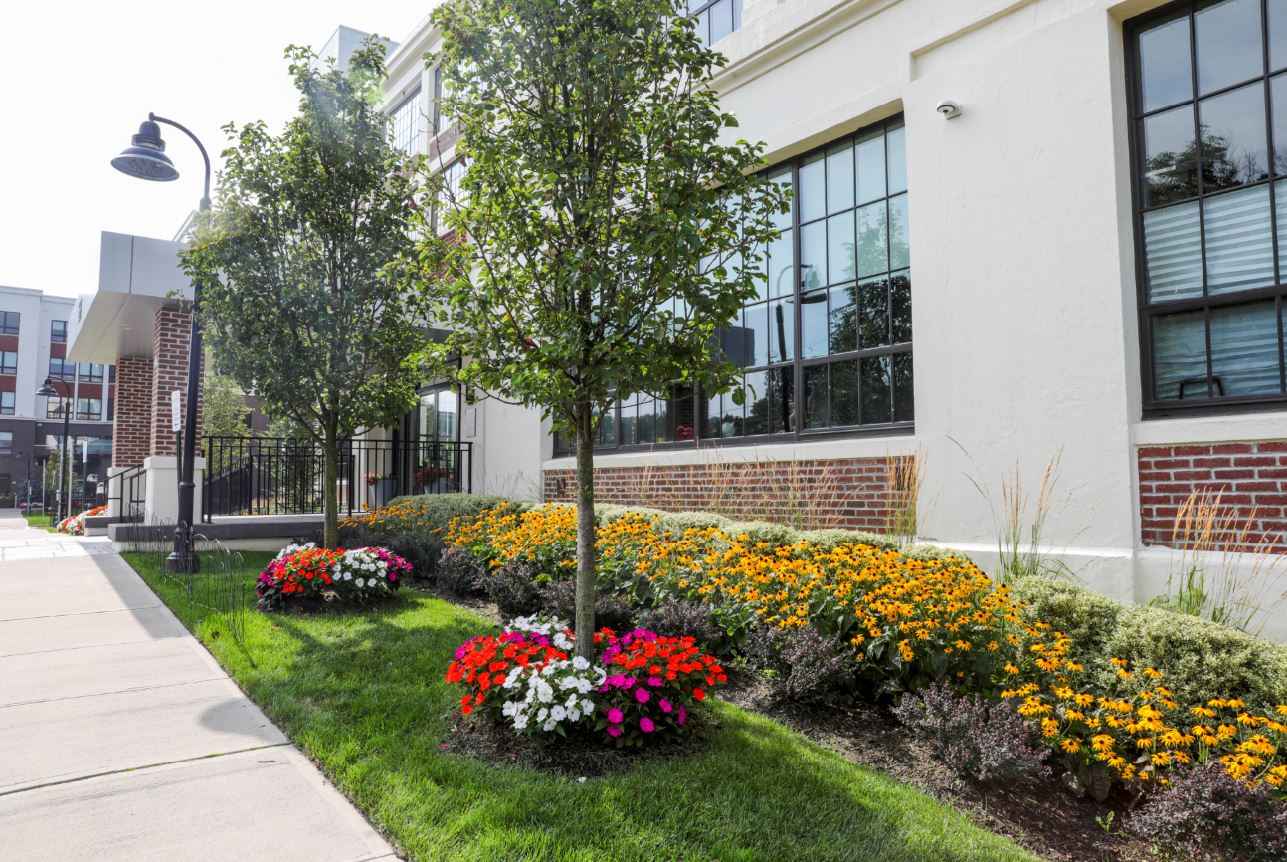
Healthy turf remains one of the most visible components of most HOA communities, particularly around entrances, clubhouses, common areas, walking paths, and residential streetscapes.
October can still provide an important window for final turf improvement work, depending on conditions.
Areas affected by summer heat, heavy foot traffic, compaction, poor drainage, disease, insects, or irrigation issues should be identified and addressed before winter whenever practical. Aeration, overseeding, soil improvement, and targeted turf repairs can help strengthen root systems and improve the lawn’s ability to recover in spring.
The greater value, however, comes from identifying why certain areas failed in the first place.
If the same lawn section struggles year after year, the issue may not simply be seed or fertilizer. Shade, drainage, compaction, irrigation coverage, soil quality, or traffic patterns may all be contributing factors.
Fall planning gives an HOA the opportunity to solve the underlying problem instead of repeatedly treating the symptom. A well-planned HOA landscape maintenance strategy considers both immediate turf needs and the conditions affecting long-term lawn health.
Evaluate Trees, Shrubs, and Aging Plantings
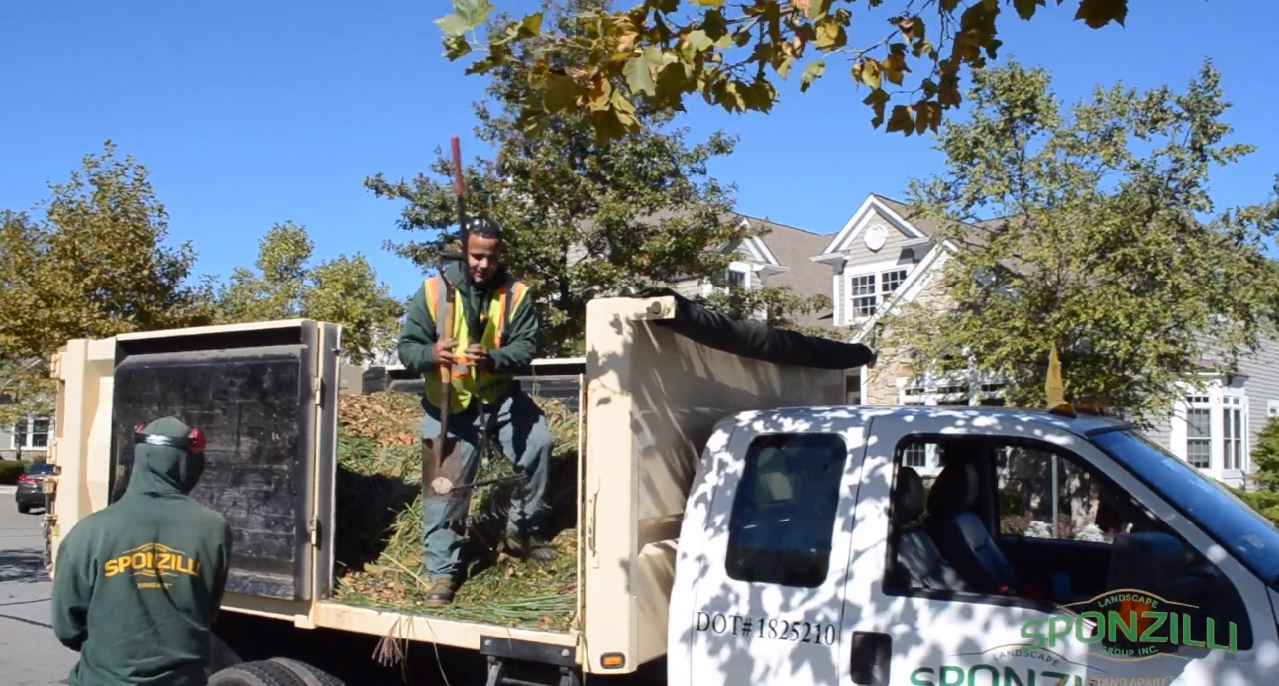
Mature trees and established plantings often represent a significant investment for an HOA, and October is an excellent time to assess how well that investment is aging.
Trees should be reviewed for dead limbs, structural issues, storm damage, declining health, or branches that may interfere with buildings, signage, lighting, roadways, or pedestrian areas.
Shrubs should also be evaluated for size, condition, appearance, and location.
Many communities eventually reach a point where plant material has simply outgrown the space in which it was installed. Shrubs may obscure windows or signage. Trees may compete with structures or lighting. Foundation plantings may look tired, overgrown, or inconsistent with the rest of the property.
At that point, additional pruning is not always the best answer.
Selective replacement and thoughtful redesign can improve appearance while reducing long-term maintenance costs. These decisions can also become part of a broader community landscape management plan that balances the health of existing plantings with the community’s future needs.
Identify Drainage Problems Before Freeze-Thaw Conditions Begin
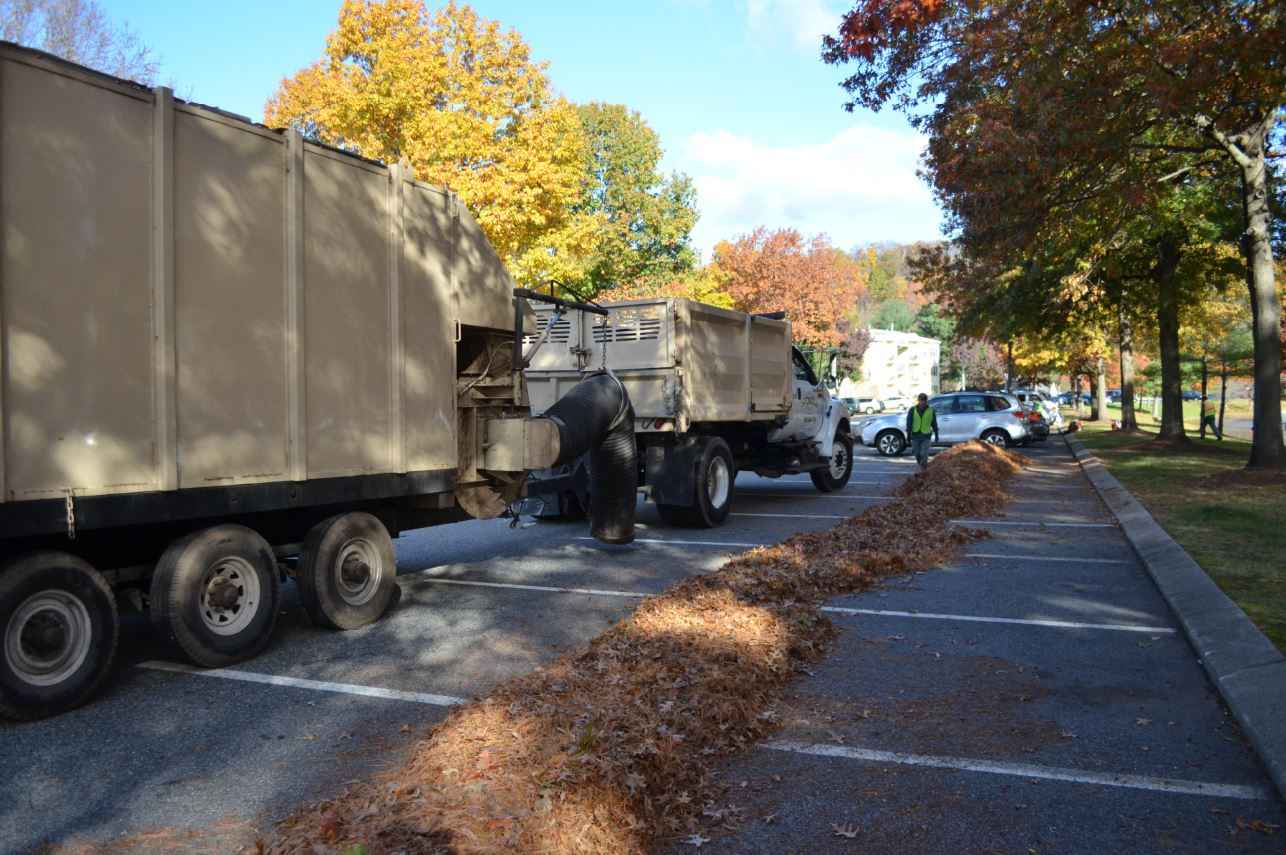
Drainage deserves particular attention before winter.
Standing water, erosion, washed-out mulch, saturated turf, exposed roots, and recurring puddles can all indicate underlying grading or drainage issues.
These problems are more than cosmetic.
As temperatures fall, water collecting near sidewalks, parking areas, entrances, and pedestrian paths can freeze and become a safety concern. Repeated freeze-thaw cycles can also worsen erosion and contribute to damage around pavement, curbing, planting beds, and structures.
October is a good time to document these conditions while they are still visible and determine whether improvements should be addressed immediately or incorporated into the following year’s capital plan.
Solutions may include drainage systems, grading corrections, downspout management, soil improvements, irrigation adjustments, or changes to plant material. A professional evaluation can help identify the underlying cause and determine which improvements are appropriate.
For communities experiencing recurring water problems, Sponzilli’s drainage and grading services provide a relevant starting point for evaluating potential solutions.
The key is to identify the problem before winter makes it more difficult to evaluate.
Coordinate Landscape Planning With Snow Operations

For communities that rely on professional snow and ice management, fall landscape planning should be coordinated with winter operations.
Snowplows, loaders, salt applications, and snow storage can all affect the landscape.
Before winter arrives, HOA boards and property managers should review where snow will be pushed and stored, identify vulnerable planting beds, confirm access routes for equipment, and mark curbs, irrigation components, decorative features, walls, and other areas that may become hidden once snow accumulates.
Particular attention should be given to recently installed plantings and high-value landscape areas.
A little planning before the first snow event can help prevent unnecessary damage and reduce spring repair expenses. Coordinating these preparations with professional HOA landscaping services can also help align landscape maintenance priorities with the community’s winter service requirements.
October Is the Time to Build Next Year’s Landscape Plan and Budget

October should also be the beginning of the next planning cycle.
Rather than waiting until spring to decide what needs improvement, HOA boards can use the fall to identify priorities and begin developing a realistic budget for the coming year.
That may include improvements such as:
- Entrance and monument landscaping
- Clubhouse and pool-area enhancements
- Tree replacement
- Renovation of aging planting beds
- Screening and privacy improvements
- Drainage corrections
- Irrigation upgrades
- Landscape lighting
- Walkway and hardscape improvements
- Outdoor gathering areas
- Turf restoration
- Seasonal color programs
For larger communities, some of these improvements may need to be phased over several budget cycles.
Beginning the conversation in October gives boards time to establish priorities, gather pricing, communicate with residents, obtain approvals, and schedule work appropriately.
This is where HOA landscape budget planning becomes particularly valuable. Separating immediate maintenance needs from larger capital improvements helps boards allocate resources more deliberately and avoid making every decision in response to an urgent problem.
That is a much stronger position than reacting to landscape problems once the spring season is already underway.
Look Beyond Routine Maintenance

One of the biggest mistakes an HOA can make is viewing landscape management strictly as a maintenance expense.
Mowing, pruning, mulching, leaf removal, fertilization, and seasonal cleanup are essential, but they are only one part of managing the property.
The larger goal is to protect the landscape as a long-term community asset.
Boards should periodically ask:
- Is the landscape aging well?
- Are certain areas becoming increasingly expensive to maintain?
- Are outdated plantings creating unnecessary labor?
- Are entrances and common areas presenting the image the community wants?
- Are drainage or irrigation problems contributing to recurring repairs?
- Are there opportunities to improve appearance while reducing future maintenance?
Those questions move the conversation from maintenance to asset management.
And for an HOA, that distinction matters. A well-planned approach to community landscape management considers how maintenance, design improvements, safety, and long-term investment work together.
Protecting Property Value Starts With a Plan

A well-managed landscape shapes the way residents experience their community every day. It also plays a significant role in how visitors and prospective buyers perceive the property.
That means landscape planning has a direct connection to curb appeal, resident satisfaction, safety, and long-term property value.
October provides a natural opportunity to review the past growing season, address immediate concerns before winter, and begin planning for the year ahead.
The objective should not simply be to make the property look good next spring.
It should be to create a landscape that performs better, ages more gracefully, and protects the community’s investment over time.
At Sponzilli Landscape Group, we work with homeowners associations, property managers, and community boards to develop comprehensive landscape strategies that balance horticultural health, appearance, safety, maintenance requirements, and long-term planning. Our HOA landscaping services support communities looking to coordinate ongoing maintenance, seasonal needs, and landscape improvements.
Serving communities throughout Northern New Jersey, Sponzilli Landscape Group helps property managers and HOA boards evaluate existing landscapes, identify priorities, and plan improvements that support the property’s long-term needs.
Planning Your Community’s Landscape for 2027?
Start planning before the spring rush. Our team can help your community assess its landscape, prioritize improvements, and develop a practical strategy for the year ahead.